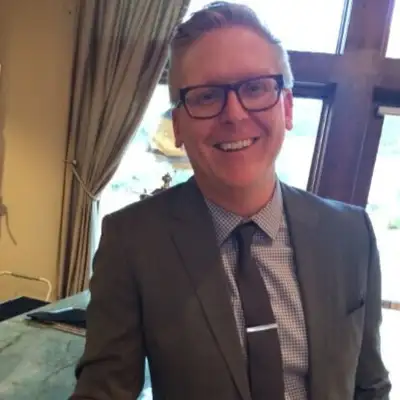
Meet the Equity Funding Insider Who Created Thousands of Fake Insurance Policies
Attention: This is a machine-generated transcript. As such, there may be spelling, grammar, and accuracy errors throughout. Thank you for your understanding!
Earmark CPE: Are you an accountant with a continuing education requirement? You can earn free Nasba approved CPE. For listening to this episode, just visit earmarked.app on your web browser, take a short quiz and get your certificate.
Caleb Newquist: Hello and welcome to Oh My Fraud, a true crime podcast where criminals haven't learned from history. So they repeat it. I'm Caleb Newquist. Hey, how's it going? Uh, I'm doing [00:00:30] all right, I suppose. Um, what is going on that you don't want to know about? Oh, I went to the doctor recently and got an annual checkup, and I am. I'm very happy to report that my blood pressure is down. It's been borderline high for a while, and so I don't know how long exactly, but, um, yeah, several years. But anyway, uh, you know, I was donating blood regularly for a while there. Um, and my blood pressure was always high when they took it. [00:01:00] Nothing crazy. But again, like I said, borderline. You know, 120/80 territory. But then most recently this checkup I just had, I came in at like 117/75. And I'm told by the internet and by, you know, the health care professionals at my doctor's office that this is very good for a human male of my age. So that felt good. However, my my cholesterol still borderline high. The total was 200 [00:01:30] and it was because of my LDL. That's the bad one, right? It was 137, which is borderline high. The HDL, that's the good one. That's 48 good, but not great. And the rest of the panel was good. So in the full picture, I'm very healthy despite everything the world is throwing at me and or at us.
Caleb Newquist: I don't want to exclude anybody. We're all in this together, aren't we? Um, but I'm just getting to that age where it's just [00:02:00] like, and, and my friends, you know, we're all, we're, we're, we're at that age where it's like, oh, you start talking about health stuff. Anyway, see you on the show. Alan Green. So who, who is Alan Green? You might be wondering. Um, so I'm, I'm going to tell you, Alan worked at Equity Funding Corporation in the late 1960s and early 1970s, and he had a role in the fraud that was being committed there. Okay. Now, if you're not familiar with [00:02:30] the equity funding case, have no idea what I'm talking about, then I highly suggest that you go back and listen to our episode on equity funding. Um, yeah, I definitely recommend that. Uh, before listening to this interview, it's episode 66 from July 2024. So if you haven't listened to it, don't know what I'm talking about, then stop. Pause this and go do your homework because it will be helpful. If you're a regular, then you [00:03:00] can still go listen again. It'll be a good refresher and you'll be ready for this. You'll be ready for this interview with, uh, with Allen. Plus, Greg Kite is on that episode. So if you've been listening for a while and you're missing Greg, uh, you'll get prepped for this interview and you'll get your Greg kite fix.
Caleb Newquist: Okay. They call that two birds, one stone because killing birds is wrong. Anyway, that's [00:03:30] how you get the full story of equity funding. Is that episode before this conversation, because this, this, this conversation with Allen is very much about his role. And as you'll hear his exposure to some of the key people in the case, people like Stanley Goldbloom, Sam Lowell being two of the major ones was, was just limited. But Alan's role wasn't small, at least when it comes to the phony insurance policies. [00:04:00] The equity funding was producing. Yeah, that's right. Phony insurance policies. Um, in fact, I would say he was quite instrumental to that part of the fraud. So a couple of things worth mentioning if you're interested, there is a rolling Stone article from May 1974 where Alan is basically he's he's the featured interview throughout that, um, fun fact. It's the same issue of rolling Stone where they interviewed [00:04:30] John Paul Getty the third. And so he was the guy, he was the rich kid who got kidnaped by the Italian mafia and his grandfather, the richest person in the world, maybe at that time, uh, wouldn't initially pay the ransom, but that's a whole other story. I can't really go down that rabbit hole. I went down it. We can't go down it together, is what I mean. I went down it. It's very fun. Scary. Uh, strange. But, you know, that's outside the scope of this episode.
Caleb Newquist: Okay, there's no fraud involved in that. [00:05:00] But I'm just telling you, Alan's interview is part of an article that's in that issue of rolling Stone. That's where you can find it. Uh, it is not online. I have not been able to find it online. So if you do find it online, let me know. Um. Yeah, it's just hard to get, but Alan sent us a copy of it and yeah, so we read that and also this story, the equity funding story. There was also a 1978 made for TV [00:05:30] movie called the Billion Dollar Bubble. That is told primarily from the perspective of Alan Green and his boss at equity funding, a guy by the name of Art Lewis, the movie stars James Woods as Art Lewis and Christopher Guest as Alan Green or Al as he went by back then. Um, a link to that it's that is you can find that it's on YouTube. I'm linking to it if you care to watch that, um, check those out. Just, you know, fun, you know, it's a little closer in proximity [00:06:00] to the events, but rather than keep going on about it, let's, let's get to this conversation. It's a good one. Uh, Zach joined me for this one. He sat in on it. And so you'll hear Zach chime in a few times. Um, and so here's Zach and I talking to Alan Green.
Allen Green: I grew up actually in Westchester in Los Angeles, which is near the airport and, [00:06:30] um, you know, walked, uh, elementary school ride a bike to junior high little league cub Scouts, um, girlfriends just, you know, and, and friends, friends, lots of friends, you know, baseball in the street every evening.
Caleb Newquist: Yeah. And what, what, what did your parents do? What kind of business were they in?
Allen Green: Mom was a homemaker. She had five kids and dad was kind of in the profession I'm in now. He's worked for a for a [00:07:00] pension consulting company in, uh, in downtown LA. And he was not an actuary, but because he worked there and an actuary was on staff. That's how I got into being an actuary.
Caleb Newquist: Okay. So like you had a knack for numbers early on?
Allen Green: Yes. As long as as far back as I can remember. Yes.
Caleb Newquist: Okay. And sorry. I'm asking you to date yourself a little bit, but what's the first experience you had with a computer? Do you remember?
Allen Green: Yes. It was a [00:07:30] course at UCLA. Well, it was a programing course.
Caleb Newquist: Okay.
Allen Green: Uh, computer programing. It was. I specifically remember it was in a language called Fortran. I aced it, I loved it. Um, so that that was my introduction to computers. By the time I was a senior, I actually switched from a math major to a new major they had just invented, which was called math Computer science. And so very shortly after learning [00:08:00] programing for the first time, now I was a computer science major.
Caleb Newquist: And what about what year? What year was your senior year?
Allen Green: 69. 70.
Caleb Newquist: Okay. So when did the opportunity at equity funding come up? You were still in school, right?
Allen Green: I was still in school. I just started my senior year, the same point in time that my my wife and I married. Um, I started working for equity funding, um, in [00:08:30] the afternoons, so I, I'd go to school however many hours or days a week, and I'd work at equity funding every afternoon, uh, in Beverly Hills.
Caleb Newquist: For people who aren't familiar, what's, what's kind of the nature of an actuaries work, like what did they have? What the kind of things were you doing at that time?
Allen Green: Well, in general, for an insurance company, the main thing that an actuary does is he he or she computes the premiums. So, [00:09:00] you know, where do those come from? Where, where do where do you where do you whether it's health insurance or auto insurance or life insurance, who, who decides how much you're going to pay in premiums? Well, an actuary does. Yeah. And there and in those days, there were massive spreadsheets. Literally. Spreadsheets. Sheets. Sheets. Sheets of paper. And, um, these calculations were made that would, um, take into account, you [00:09:30] know, income and expenses and projections out into the future and you back into your premium.
Caleb Newquist: And what was your impression of equity at that equity funding at that time? Like what did you know about the company or how did it seem as a company culturally? Like what were your impressions in those early years?
Allen Green: Well, the first impression when I walked into work the first time, um, it was a small office. We were not in Century City yet. That would [00:10:00] happen. A year or so later. We were in a small office in Beverly Hills, and the actuarial department seemed to all be in one room, and everyone was kind of sitting around in a circle, and I came in. Someone else also started that same day, and we came in and like everyone friendly and talking and it sort of looked like no one was working. No one had any work to do. It almost looked like it felt like walking into a party.
Caleb Newquist: Oh, [00:10:30] really? Oh yeah. A good a good party, I assume.
Allen Green: Well, it was a friendly party and.
Caleb Newquist: Okay, good. Okay.
Allen Green: And they they wanted to know about me and the other guy who was there for the first time. And and it very quickly. It um it happened that, that all my friends were there. I mean, my, my future friends were all there. Um, that, that it really was family.
Caleb Newquist: Yeah. Because everyone was, was everyone roughly the same age, like newly [00:11:00] graduated or recently graduated and kind of just on the, at the beginning of their careers. Is that fair to say?
Allen Green: Yes. That's, that's what I remember.
Caleb Newquist: Okay. And like, did you have did you know anything about like the executive management at that time? Did you have any exposure to those kinds of people who were kind of running the company?
Allen Green: The only exposure was to my boss, uh, Art Lewis. He's of course, featured in all the stories about equity funding. Yeah. So he was my boss. He was, I mean, I [00:11:30] was okay, so I was, um, if I was starting my senior year, I was, uh, 21 years old. Uh, art was maybe 28 years old. So that's how young every Everyone was. And I think the president of the company. I didn't know this till later. I didn't meet him till later. Fred Levin yeah. Um, he was maybe 30.
Caleb Newquist: Okay. So it's a young company.
Allen Green: Yes.
Caleb Newquist: Okay. And so there must have, must have had [00:12:00] that, that must have been exciting because it was a relatively new company and it was fast growing and business was good. Right. You did you was that evident to you early on where it's like, oh, this is a, this is a, this, this business is doing well.
Allen Green: Well, I didn't really think about it. I don't I don't think I had access to that information, um, of how it was doing. And I didn't think about, I didn't know the structure. I didn't, you know, early on, I don't think anyone did, meaning that there was a corporation [00:12:30] equity funding Corporation of America and there were all these subsidiaries and I was working for the life insurance subsidiary. And, but I didn't know anything about the the oil and gas and the cattle and the mutual funds and, and even the scheme of combining the insurance with the mutual funds that, uh, I didn't know about that until I'd say some time later and didn't know names [00:13:00] even like, like the chairman of the board and so on.
Caleb Newquist: And Art Lewis, your boss, you had a good relationship with him.
Allen Green: Yes.
Caleb Newquist: And like what? And was it did you feel like, did it feel like it was, you know, strictly professional or did you become very friendly or like, what was like? How did how did that relationship evolve in your, in your time there?
Allen Green: Well, I would say with all the executives, it was quite a, it was quite a mixture. [00:13:30] Meaning when there would be larger parties that involved more the company, let's say a Christmas party. Um, and people like Lloyd Eaton, one of the famous names, and Fred Levin and others, um, they, they mingled pretty freely with the, the rank and file. And I think drugs had a lot to do with that, that that was sort of an equalizer.
Caleb Newquist: Right.
Allen Green: It was an equalizer. [00:14:00] I can tell you a little story.
Caleb Newquist: Yeah.
Allen Green: Uh, the story occurred a couple years later. Um, when we were in Century City. I was working late one night, probably by myself working on some project and, um, uh, and a call came down from from the 28th floor, and it was from Fred Levin. And, uh, he wondered if anyone was there. And I, I had answered the phone and he, he [00:14:30] explained that he had just gotten a, a delivery of some cannabis and, uh, But he didn't know what to do with it. I mean, he was just a, you know, a bag of cannabis.
Caleb Newquist: Yeah.
Allen Green: And so he wondered if anyone, if anyone, you know, down on, on our, in the actuarial area, if anyone could, you know, roll it into joints for him. So I said, well, yes, I can do that.
Caleb Newquist: Okay. [00:15:00]
Allen Green: I could do that very well. As a matter of fact. So I went straight up to the 28th floor and went, which was my first time. First time on the 28th floor. You've seen maybe some photos of, you know, the paneled offices and the beautiful furniture. And it was just, you know, gorgeous place.
Caleb Newquist: Mhm.
Allen Green: And so, yeah, I went into his, um, his office and on a side table, there was a, you know, a bag of, of, uh, cannabis. And I said, [00:15:30] good, I'll, I'll take it home. I'll, um, I'll roll it all up for you and I'll bring it back tomorrow. And that's what I did. And, um, you know, took a little for myself, and I brought him the rest. Yep. And he had a lot better stuff than we could afford.
Caleb Newquist: Sure.
Allen Green: And, but anyway, I was thinking it was sort of an equalizer in the party's just, you know, they were pretty rip roaring parties with everyone, [00:16:00] except. Except for Stanley Goldblum.
Caleb Newquist: Okay.
Allen Green: Never. I never met him. Okay. My whole time there. Never saw him.
Caleb Newquist: Never saw him.
Allen Green: Never saw him. Right.
Caleb Newquist: Very interesting. So he was like a. But you knew of him.
Allen Green: At some point.
Caleb Newquist: Okay. So he was kind of like a specter over the. The organization, I suppose.
Allen Green: Yes. But there were these levels. And, you know, when when we get into the, you know, the conspiracy [00:16:30] stuff, you know, I, I dealt directly with Art Lewis, my boss and I know he dealt with the the vice president of the company called, uh, Smith. Um, and then and I know, and I, I, I knew that art had connections to the, to the execs, but like he never brought me along. So I, I never, I really [00:17:00] never dealt with Fred Levin, though I, I would see him from time to time. Lloyd Eaton saw him at a party, uh, for example. But you know, no, I never talked. I never really talked to Fred Lloyd and again, never saw Stanley.
Caleb Newquist: So then at what point does Art Lewis set the scene for us? When does Art Lewis approach you with, um, I [00:17:30] guess the opportunity, let's say, to get involved with equity fundings. Uh, I don't know what the best way to put it is, but like, what are the circumstances around that initial conversation you had with Art Lewis about creating the policies?
Allen Green: Well, I think it was in December of 1971. And, uh, I either he told me then or I learned shortly thereafter, somebody [00:18:00] else had been doing the work of creating the fake insurance policies. He had been doing it in 1971. In fact, they installed him right next to my office in an office next to my office. Mhm. Um, he was not an actuary, someone from another department. And what I learned was that he. And he was indicted. Uh, eventually, uh, Keller was his name, and he he [00:18:30] didn't want to do it anymore, but it was a crucial time of year because, um, you know, year end and they had to meet year end targets and a certain number of insurance policies had to be created. And he quit. I guess he quit the whole company. And so that's when Art brought me in to try to pick up what Mike the first name was Mike, um, Keller to, to, uh, to try to continue what Mike was doing and [00:19:00] then to go on in 1972. So Art invited me to his house. I didn't know anything till he invited me to his house, uh, in Toluca Lake in Los Angeles. And after some Scotch and after. I don't know about cocaine, I didn't I was not into cocaine. I was pretty much just, uh, a smoker With [00:19:30] some psychedelics thrown in, but not not on a on a regular basis. But but I mainly enjoyed smoking cannabis. And so after there was something else that we took to I it's it's written in the rolling Stone article. I can't think of Quaaludes. Uh, quite likely it was, it may it may have been. But in any case, we were both, um, you know, feeling pretty good and sitting on his couch.
Caleb Newquist: And [00:20:00] you had, had you been to his house before? Did it seem unusual that he was inviting you over in this way?
Allen Green: Yes, I had been. I had been to his house at least once with my wife.
Caleb Newquist: Okay.
Allen Green: For some. Some social thing. Yeah. Um, this may have been just the second time, though.
Caleb Newquist: Okay.
Allen Green: Yeah. So?
Caleb Newquist: So, did you have any indication. Do you have did you have any indication as to what it was to be bad? Or did you just think it was going to be a friendly visit?
Allen Green: I just thought a friendly visit. I had no idea. No [00:20:30] idea. I had no idea what my Keller was doing next door to me.
Caleb Newquist: Right.
Allen Green: Nothing. No, I didn't know anything.
Caleb Newquist: Okay, so you're having some scotch, maybe a little pot and maybe a quaalude. And. And then so. And as I remember, if I remember it right, you're walking around his swimming pool, right? And he's. And he's he when he tells you about it.
Allen Green: Well, no, that's another another fiction. We were.
Caleb Newquist: Oh, okay.
Allen Green: There was when I went with my wife, we were all skinny dipping.
Caleb Newquist: Oh, [00:21:00] fantastic.
Allen Green: Yeah. So that's what I mean. You know, this, um, you know, this camaraderie between between the higher ups and the rank and file. Yeah, we're all skinny dipping, my wife and I and art and I don't know if there was anyone else there, but not this time. When, when I in, in, in in December of 71, you know, we're we're sitting on this couch.
Caleb Newquist: Okay. Gotcha.
Allen Green: Sitting in his living room and he suddenly, suddenly [00:21:30] begins to tell me. Now, of course, we now know that it just it was a fraction of what was going on and things were going on for so long. Um, wait, way back to 1964. And it's all documented in the books that I know you have. And I, I have these also. Yep, yep. Um, so the only thing he told me about was the, the fraudulent insurance [00:22:00] policies.
Caleb Newquist: And were you surprised at what do you remember how you felt when he shared this with you?
Allen Green: Special.
Caleb Newquist: Yeah, yeah.
Allen Green: Yeah.
Caleb Newquist: And did he ask you outright? Did he ask you outright to help?
Allen Green: Yes.
Caleb Newquist: Okay. So yeah, it must have felt good. You're like, oh, recognition.
Allen Green: Yes, yes. And and and, and, you know, really confirmation that he valued my, my programing [00:22:30] capabilities, um, that, that which, which was required.
Caleb Newquist: Okay. So you're so you, you're, you're, you're excited, you're excited out of the gate. And so you're like, I'm in.
Allen Green: Yes. I didn't question it. I. Okay, I, I, I said yes right away.
Zach Frank: I have a question. Um, did you understand the scope of like how big the fraud was right from this talk? Or did you just say like, we sometimes do this or did you know it went back years right away? Did you know like, yeah, did [00:23:00] you know the size and the scope of it just from this conversation?
Allen Green: No, I didn't ask. And I didn't know. Um, I, I mean, even now, I'm not really sure on the insurance side, I, I mean, on, on the, on the fraudulent policies. Um, I was reading through, um, just in the last, in the last week or two, I've been reading the books I have and looking through my files because I really have. I've collected a lot of stuff [00:23:30] over the years from the internet and other sources, and one thing that I find that I don't. I didn't really know the whole time I was working there and doing this. I didn't really know about. Um, and I knew what I was doing and what Mike was doing before me. We were, we were creating phony policies and selling them to reinsurance companies.
Caleb Newquist: Mhm.
Allen Green: And that was for cash. And there's a whole mechanism there. But [00:24:00] what I, what I'm reading is that they in prior years, they were just making up numbers of, of insurance policies and putting them on the books, just making them up. So they weren't, there were no files. I mean, they were phony files, but there were no phony files and there were no computer printouts. It was just like taking a line from the annual statement [00:24:30] and and altering it to reflect an extra thousand policies being sold or something like that. And so, so that's what I'm learning now that that it's, it was really deeper and, but, but it was not on the scale of what, you know, first Mike and then me, um, were doing. I mean, when I, there was something about at the end of 71 when, you know, [00:25:00] when Mike had done his thing and these are not exact numbers, but there was something like 10,000, uh, phony policies by the time I was finished in 19, um, at the end of 72, there were 64 or 66,000.
Caleb Newquist: So part of your task was to kind of operationalize the creation of these phony policies. [00:25:30]
Allen Green: Yes. I wasn't actually told that specifically, but as I started to get into it, that was just my inclination. That's just how I was to really automate this thing and get it onto a high level. I'm realizing it's all criminal, but but to put it on a very, a very firm foundation, um, where it, it was just a matter of you, you would, um, plug [00:26:00] a number in here and something else would pop out telling you what to do. Then you would run this program and you take that result and go to the next program and the next. And it was all it was all written down in flowcharts and, um, written down, you know, in script. And so it could easily be handed to the next person, which happened when I quit. Um, so yeah, it was a really to really automate it and streamline it. And then [00:26:30] eventually I also, um, I also started to bring in other well systems. They were called throughout the company. They're, they're commission systems. And um, I can't remember what the others were. There were 3 or 4 others and they all had to tie together also. So if, if we made phony policies here, we had to show commissions over here that would be paid out to [00:27:00] well, was never said who they we didn't make up phony insurance agents. We didn't go that far. Right. And there was something in the again, in the, uh, the literature that I've collected, there was something about also having the computer decide how many of the fraudulent insurance policy. How many of the people would die at what rate and. Right. But I didn't really know anything about that. I don't [00:27:30] know if someone else was simply having people die.
Caleb Newquist: Yeah.
Allen Green: Simply deciding time. Time to die. And we'll collect our 50,000. Which, by the way, is like 500,000 today, right? Right. Um, so yeah, these some of these numbers sound small, but they weren't small.
Caleb Newquist: No. Right. Of course, of course. Okay. So, um, and so you, you, you, you essentially have this [00:28:00] new big responsibility. And so, and, and you're, and you're going to work and you're improving it. And, and you're, and you're, you're scaling it up. And at any time did you feel like, oh, we're breaking the law here. Is that part of is that I mean, does it does it occur to you or is that is that conscious like when you're going to work, it's like, oh, I'm going to I'm, I'm going to work to break the law today. I mean, I'm, I mean, I'm, again, I'm oversimplifying it, but like, [00:28:30] I'm just wondering, like, how did that, did that ever end? Did, was that, did that ever enter your mind? Did that? Is that did it dawn on you that that's what was happening?
Allen Green: Well, I knew it in the back of my mind.
Caleb Newquist: Okay.
Allen Green: I, I, I would say that, but I, I, um, no, I didn't really, I didn't really bring it up. Uh, I mean, I didn't think about it. And, you know, right away from the beginning, I can kind of remember going back to the meeting with [00:29:00] Art Lewis at his home. Um, I, I recall that he, he was saying as he was, you know, describing what, what was going on and even why it was necessary. He, he said, but and we're also trying to wind it down.
Caleb Newquist: Mhm.
Allen Green: And this, um, this may come out in, in the billion dollar bubble. I think there's a, there's a scene. There's a scene in Goldblum's office with Eden and Louis. And they [00:29:30] tell, they, they tell or they, you know, they're, they're suggesting to, to a Goldblum to for at least one year, if we could not have this increase in the, uh, the, um, what's it called? The, um, uh, the, the, the, uh, stock earnings, the, the earnings per share. This is the key number that everyone's always looking at earnings per share. And. [00:30:00] And it just had to go up every year.
Caleb Newquist: Right.
Allen Green: Right. According to Goldblum, it has to go up every year. You know, it's $1.80 per share this year. It's got to be $2, then two and a quarter, and it's got to keep going up. And by the way, I'll come back to this point in just a second. Um so they proposed that to a Goldman. It was just if we can just pause it [00:30:30] for a year, a year or two, um, that we can scale back the need for as many of these phony policies and obviously work harder on the real ones, you know, getting, getting the real ones sold. And, and according again to the episode in the billion dollar bubble, Stanley, you know, says absolutely not.
Caleb Newquist: Right.
Allen Green: That's impossible. We, we, we're not going to [00:31:00] slow the growth of that earnings per share.
Caleb Newquist: Right. Growth at all costs. Yeah. And so you mentioned earlier that you eventually left, can you kind of take us through what led up to you deciding to leave?
Allen Green: It really had nothing to do specifically about what I was doing and the fraudulent policies. I hadn't I didn't come to an epiphany regarding that. It was, um, my lifestyle [00:31:30] was really turning very bohemian. I really needed to really to cut free and to go explore the world, or at least the country and see where that led. Um, and obviously later on I got back into the profession and so on, but I needed and it turned out that I, I took, uh, really two years, 73, 74. But um, yeah, there was just this [00:32:00] strong, strong need to see what was out there for me, you know, other than the insurance world.
Caleb Newquist: Right. And did Art Lewis, did he try to talk you out of that? Did he want you to stay on?
Allen Green: Yes. He definitely wanted me to, but he didn't. He didn't try too hard. I was pretty firm about what I wanted, what I needed to do, what I felt I needed to do. And, um. So I don't think he tried too hard. And I mean, I, you know, I realized, [00:32:30] you know, obviously the first thing on his mind was, you know, are you going to talk to anybody? And I don't know. Right. I don't know if we had that conversation or not. I don't really remember. But, um, you know, uh, I did not, you know, I, I'm not the one who, you know, who I left in January of 1973. And I guess that's right about the time that the, uh, the whistleblower, Ron Seacrest, um, [00:33:00] was starting to have his conversations with the stockbroker or I forget who he went to first. Um, someone named Ron Dirk or something, right.
Caleb Newquist: The analyst. Yeah.
Allen Green: The analyst. Yes. Yes, yes. So it was, it was right around the same time. I didn't know of course. And you know, but like I say, I'm not the one who, you know, who talked. I, I, you know, I kept the secret.
Caleb Newquist: Right?
Allen Green: You know, until, you know, until [00:33:30] it blew open.
Caleb Newquist: Right. And so, so al or, um, um, al Lewis, did you, he felt like he, uh, excuse me. Art Lewis. Yeah. Art Lewis felt like that he that you could be trusted if he was. It seemed at least I'm getting. That's what I'm picking up, is that he wasn't too concerned that just because you were leaving that that was going to result in. I don't know, you talking to someone.
Allen Green: Well, the the interview [00:34:00] he gave for the role. No. For for yeah. For the billion dollar bubble. Um, and he was, I mean, I, I, I, I gave an interview for that and really art and, and myself for the, I think the two main people behind the billion dollar bubble and the information in that. But what came out is, is art saying it was Al Green who was the one [00:34:30] talking. So at some point he. He thought he couldn't trust me. I see. And that I had. But he. That's of course, ridiculous because it was all about Ryan Seacrest, and everyone in art should have known that.
Caleb Newquist: So then. So you leave the company and you said you're you're kind of you. It kind of sounded like you had some wanderlust, like you wanted to you wanted to go out and you wanted to, like you say, change your lifestyle and see what else was out there. So did you kind [00:35:00] of leave and not look back? Were you were you kind of aware what was going on at the company after you left, or did you really cut loose and and you had cut ties and you weren't paying attention any longer?
Allen Green: Well, first of all, I didn't I didn't go away right away. So I was in Los Angeles. I was, um, whether I was living with a friend at the time, I can't quite remember, but I know I was at his house when a certain phone call came in April, but, but I, I, I was not, I was [00:35:30] not following for the first three months because there was nothing to follow, nothing, nothing had been revealed. Nothing. I mean, if Ryan Seacrest was doing something, it was still, um, it was still, uh, you know, um, sort of, sort of hidden from the rest of us. Um, now I, I, I would have known right away the, the, um, the person that I may have been living with and who was also a very good friend, uh, he [00:36:00] was the one who was going to take over from me. Mhm. And so if anything had broken, if there was any strange information. I would have known right away. I would have known through my friend. And I heard nothing at all. Um, and he, he never had to, to actually step in and do what I was doing. Because when the first quarter ended, let's say, or let's say early April, that's [00:36:30] when it broke open. So fortunately for him, he, he, he, he was um, yeah, he never got involved. He just had gone through the training with me, but he never did anything.
Caleb Newquist: Okay. So then at what point does this at what point does it come back to you where you're, you know, where the, the things, things break open and, and what, what kind of brings you back? Because I know you [00:37:00] eventually go back for a short time.
Allen Green: Yeah. Well, yeah, that that was after it broke open.
Caleb Newquist: Okay. Which was April. April of 73.
Allen Green: Yes.
Caleb Newquist: Okay.
Allen Green: And I get a call from a from a friend, an actuary who was still at equity funding. He, he, um, he said, yeah, it's all gone, you know, crazy here. The, um, the insurance, I guess the insurance Department of California, uh, [00:37:30] has taken over or they're here investigating and it's looking, um, it's looking, I guess at that point he, he was not in the conspiracy, but he, I guess learned enough fairly quickly. And he said it's looking bad. And he just strongly recommended that I, that I start cooperating if I cooperate right away. Even he even said that they're already talking about some kind of immunity. Um, you [00:38:00] know, for me.
Caleb Newquist: Mhm.
Allen Green: And, um, so yeah, it was kind of scary right there, but that's the first I, I learned, I guess that was in April. It was on a weekend like a Sunday. And, um, I said, yeah, you can put me in touch with them, you know, you know, I think, and I, and I could see right away that yeah, this is, um, there's like a message for me there, like a sign that says, you [00:38:30] know, no, you know, no, it, it'll be no good to, you know, deny and lie and, you know, fight them or anything. I, I had, I was in no position to hire an attorney, for example. Right. And so, so right away, you know, I said, I'll meet with him. And, and I knew that I'd be that I'd be telling what whatever I knew. You.
Caleb Newquist: And and so [00:39:00] what was that first meeting and who did you meet with initially? Did you meet with the insurance regulators or did you meet with the FBI? Like who, who, who did you first meet with?
Allen Green: I'm pretty sure it was the insurance regulators. So the FBI was involved right away. Um, you know, he, he knew that, that it was, um, it was an explosive situation and even dangerous. Mhm. Um, he knew, I mean, they knew they knew. I, I, I didn't know at the time [00:39:30] when they suggested we meet on a, on a road in within the, the, I think it was the Beverly Hills country club, uh, uh, golf course, which was um near Century City where the office building was that we meet on, on a road within the golf course where um, I guess you can see anyone coming.
Caleb Newquist: Yeah. Right.
Allen Green: And so we did that, and I left my car there and we [00:40:00] drove in his car back to the office building. So so they knew it was, you know, maybe dangerous. And again, whether it was FBI or insurance, they were in that first meeting we had back at the office building then.
Caleb Newquist: And and so did they. How did that kind of unfold? Did they kind of did they they start asking you questions about it, or did they say, this is what we know? Um, how did how did that conversation kind of like unfold?
Allen Green: I [00:40:30] think it was a combination. Yeah. They were telling me what they knew and, and asked and, you know, they again, at that time they said something about immunity. Um, but, uh, it was sort of unclear. And it turns out they probably didn't have the authority, meaning the California Department of Insurance didn't have the authority to do that. And, um, and at that point too, I was not, um, I didn't have a big enough picture. Um, [00:41:00] and I didn't, for example, I didn't ask, well, why is the FBI involved? Isn't that.
Caleb Newquist: Right?
Allen Green: Kind of on a federal level here. And but I didn't ask that. And but the answer, yes, it was on a federal level because it was interstate and, and so on. Um, so yeah, it, it was some combination of them telling me what they knew and. Yeah. And then with some vague offer of immunity, would I, would I be willing to talk to them?
Caleb Newquist: Did you feel [00:41:30] like, you know, you, it, you said that you, um, uh, you realized that this was kind of the opportunity for you to cooperate, that that seemed like that was what you should do. Did it feel like that you were in any kind of legal trouble at that time? Was it clear to you that there were like legal consequences that were potential for you, but also potential for others within equity funding.
Allen Green: Yeah, it was [00:42:00] it was clear at that first meeting that we were all in big trouble.
Caleb Newquist: Okay.
Allen Green: Absolutely, though. Okay. You know, no one could quantify it because there there would not be indictments for 6 or 7 more months.
Caleb Newquist: Right. And so then, so you're, you're having this initial conversation. And so then what at the kind of at the end of that conversation, what did they ask from you aside from cooperating? Was there anything what else did they want you to do? [00:42:30]
Allen Green: Well, at some point, whether it was that meeting or a or a follow up, maybe on the phone, they it was clear that they, they had they they were lacking hard evidence in terms of in, you know, in terms of what I was involved in, you know, again, only later I learned that they were investigating many other things, many other years, many other subsidiaries. And, you know, again, all [00:43:00] all in the realm of falsifying the books. You know, it was all in that realm. But, um, in, in regards to the, to the fraudulent insurance policies, um, they didn't, they, they, they would, they could not figure out from all the insurance on the books, which were real and which were fraudulent. They, and that would be [00:43:30] the real evidence they would have against everyone else. Now, I also knew kind of early on, um, maybe not at that first meeting. I really don't think so. But pretty early on that the others were not cooperating. The others were not speaking. They they were just going to they were saying, you know, take us to court and, you know, prove That we created phony policies, right? You know, make them prove it. So, um, so I [00:44:00] learned that at some point and, and of course, eventually everybody, uh, everybody capitulated and worked out a plea agreement. But, um, they, they really wanted to be able to separate the real insurance policies from the phony ones.
Caleb Newquist: And you were able to do, and you were able to help them do that.
Allen Green: I was the only one who could do that.
Caleb Newquist: Yeah. Okay. And so what was it was there was I mean, without getting too technical [00:44:30] was there was how were you able to do that? Like, what was it about what you were doing where he's like, here's like, if you, if you held up two policies like this is this one's real, this one's fake. And this is how, you know.
Allen Green: Well, yeah, I guess I, I had, uh, uh, Embedded in the data for each one a code.
Caleb Newquist: Okay.
Allen Green: For some some kind of a marker that I could always tell. I could always tell what was [00:45:00] phony. And because if we. Yeah, you know, I could always tell. And so it was not, it was not that straightforward. And I don't I don't remember the details, but it was not that straightforward because anyone could have done it. One of the other actuaries could have done that. So. So I had done something that made it hard to detect. And which was the whole point that you you mingle everything, whether it's the commissions or the insurance policy, [00:45:30] you mingle in such a way that you can't tell the difference when looking, you know, looking at a listing or whatever. So I did have to go back in to the office. I was hired on a contract basis. Um, I don't know for how many days if it was one week, maybe I was able to do this. It was not like an hour job. It was. It was a bit more than that.
Caleb Newquist: And so then so after that's come. So after after your kind [00:46:00] of your your temporary assignment for kind of showing them how these were, how the, the fraudulent policies were created. What happens next? Were you did they require you to stay in California? Could you leave or like, what was what was kind of the next phase leading up to the indictments?
Allen Green: Well, there's nothing there are no restrictions at all until you're indicted.
Caleb Newquist: Okay.
Allen Green: You're free. I didn't leave the country anyway. I, you know, any traveling [00:46:30] I did was around, you know, um, uh, primarily the, uh, the Western United States.
Caleb Newquist: Yep.
Allen Green: Um, in in, in my car. Yeah, I was just, I was just waiting to see, um, yeah, just to see what would happen next. You know, nobody knew the indictments would be in October or November. Um, but I just, I just sort of conducted my life as if, um, you know, as if nothing was, was happening and just, but also willing to, [00:47:00] you know, go with whatever the next thing was in, in, in this legal matter. Right. I know that during that time, there were other interviews with the, um, with the FBI. Uh, I remember going down to their headquarters, um, near, um, actually near UCLA. Um, so other things were going on, but mainly I was, um, you know, doing this other thing that I had wanted to do.
Caleb Newquist: And [00:47:30] what was the media coverage? Do you remember what the media coverage was like? Was equity funding in the news after things broke open? Like, was it something that was, um, like, I don't know, you know, the media landscape at that time was very different than it is today. But did it feel like it's like, oh, people in Los Angeles or people in the insurance industry? This was big news.
Allen Green: Well, it was, um, it was front page LA times for, I think, I think many days in [00:48:00] a row. I mean, it was a, it was a big, big story. Now I know about the New York Times and, um, you know, probably probably many newspapers around the country. Okay. But yeah, definitely it was in the LA times right there for everyone to see.
Caleb Newquist: Okay. And so then fall of 73, the indictments, um, are, you know, uh, unsealed or released or whatever, or announced. And so what happens with [00:48:30] you then when, when those indictments are initially announced, is, are you, are you part of that? Were you, were you included in part of that when those indictments came down initially?
Allen Green: Yes, I, I had um, 11, 11 charges.
Caleb Newquist: Okay.
Allen Green: Um, and and that was probably the, uh, the least amount of anybody, right. I think, I think Stanley Goldblum, it was. I don't know, 80 to 100 or something. [00:49:00]
Caleb Newquist: And were you able to retain an attorney at that time, like when you were kind of going into that and you had cooperate, you had cooperated at this point. So were you concerned like at least from a, from a, from a legal standpoint? Did it feel kind of did it still did you feel like it was still a little perilous for you?
Allen Green: Not at that point. I was I was in such a mindset since having quit the [00:49:30] company that that that whatever happened was what was meant to happen. And I was very accepting of anything that was going without thinking. I had no idea. Um, you know who would be getting prison terms? I didn't didn't even think about it. Not that I didn't care, but I was just willing to go with it.
Caleb Newquist: And I'm kind of just taking one step back. The accounting department. Did you have any exposure to any [00:50:00] of the folks like the controllers or the the, you know, the accounting managers, people who were actually keeping the books? Did you that piece of the conspiracy? Were you completely kind of isolated from that?
Allen Green: I would say completely, yes.
Caleb Newquist: Okay. So it's interesting that they were able to silo people that had different roles within the conspiracy.
Allen Green: Yeah. And, you know, some others that I'm, I'm, I'm sure you've read about, um, for [00:50:30] example, involving the, um, what was that department called that did the artwork and everything. Um, yep. Um, There's some name for that department. Uh, Gary Beckerman was one of the people charged. Uh, he he he headed that that unit. They created bonds. Bond certificates. You know how complicated those bond certificates look with all the artwork and. Yeah, if you've ever seen a. Yeah, it's sort of like it's sort [00:51:00] of like currency, like money. Yeah.
Caleb Newquist: Right. And so there's usually eagles. I feel like there's always eagles.
Allen Green: Yeah. Yeah. Um well they they needed to create fake bonds because and again, I learned this much later. But yeah, they were trying the auditors were beginning to ask, well where are your assets. You're supposed to have 100, 140 million of assets, 240, something like that of assets. Right. And [00:51:30] of course in the higher ups and say, yeah, we have the building and we have furniture and we have all this and that, and We have gold and we have we have bonds. And they'd say, oh, bonds, let's see your bonds. There weren't any bonds. That was just weren't any books.
Caleb Newquist: So yeah.
Allen Green: They made bonds. And there was something about gold being gold plated bricks in the vault. I mean, all this other stuff [00:52:00] was going on that, you know, I, I knew nothing. So yeah, the accounting also, I, I, I was not, I didn't know anything about at the time.
Caleb Newquist: Right. Fascinating.
Allen Green: I mean, it was wild. It really is. You have to appreciate how wild this thing got. Yeah. The the, the bugging of the auditors of the conference room where the auditors would be. I mean, that was like small potatoes, right? Every anyone [00:52:30] could think of that. But making bonds, bond certificates.
Caleb Newquist: Okay, so then indictments 1974 is when I think people start taking they they start making plea plea agreements and people start pleading guilty. Is that right? Is that what happened for you? When did when did that happen for you?
Allen Green: Yes. I don't remember the timing of that too well. Um, yeah, we were plea bargaining. Um, pretty [00:53:00] sure that was all done with by the summer, early summer maybe of 74 because, um, I was spending a lot of time in Hawaii in 74. I went two times for a total of about three months. And then I knew, I knew the plea bargaining had had had completed. And that sentencing was set for [00:53:30] around September, October of 74. And I had to be back from Hawaii for that. Mhm. Wouldn't want to miss my own sentencing after all.
Caleb Newquist: Yeah. It's not a good look if if that happens.
Allen Green: Oh. So that's when we all found out our fate, and I. Yeah, I know, I, you know, probably personally wrote about it just feeling bad for everyone else. I mean, I was free and loose and, um, [00:54:00] but, you know, almost everyone else was married.
Caleb Newquist: Right.
Allen Green: And, um, it turns out no one was punished too badly for all that had happened. You know, gold bloom, eight years. He served four. Yeah. That was the worst four years and a fine, a fine. I think it's in it's in the it's in all the literature, but like $10,000. Right. I mean, it was again, maybe [00:54:30] that's 100,000 today, but so what. That's nothing.
Caleb Newquist: Right? Right. Compared to the scope of the actual the amount of, you know, fraudulent policies and the revenue that generated and. Right. Um, yeah, the wealth that was able to create, you know, especially at the executive level, the wealth that they were able to create for themselves.
Allen Green: Yes.
Caleb Newquist: Right. Um, one thing I want to make sure I ask you about, uh, but there was the, um, the maple, the maple drive. [00:55:00] Right there was, there was, there's one of the offices that was at Maple Drive and it was the Maple Drive gang where they had these signing parties. Right. Were you involved with those signing parties? Was that something that you did? And it was really in relation to the audits. And I just I was wondering, I couldn't remember if that was something that you were a part of or not.
Allen Green: Right. Well, there's actually two parts to that story. One is the actual, the actual people who were, who worked out of this, this Maple Street [00:55:30] address in Beverly Hills. Yep. I never went there. Uh, at all. Um, what they did when they got the word, when they got the word that certain, um, certain, uh, files were needed for an audit that didn't exist. Of course. Um, they, they would, they would actually put together a file. Um, I don't know how many there would be at a time, maybe a hundred, let's say maybe on that scale. Um, but the signing [00:56:00] party, but so, so that was not a signing party. That was merely the production of a file and. Yeah. In all the stories, I, they correlate with what I heard at the time, the, you know, the 8 or 10 women who worked there run by the younger brother of Art Lewis. His name is Mark Lewis. Uh, my age, um, might, um, might still be alive today, but um, then they would ship the files, [00:56:30] you know, back to the main office. And then we would have these signing parties. And I was at a couple of them. It was in the conference room. And so this is where, um, kind of the raw file with, um, you know, basic information, uh, had to be, uh, embellished and, and a doctor, for example, had to sign the medical, uh, part of the application.
Allen Green: And that was all, you know, so we'd sit around, these were all [00:57:00] the conspirators, we'd be sitting around together from Art Lewis to, you know, Jim Smith to the vice president and not, not Stanley Goldblum and. Right. Never, never. Um, right. But maybe, maybe Fred Levin. Mhm. Quite likely. And but then there were all these other heads of departments, uh, department heads who they were all on our floor, the actuarial floor, the underwriter, the head chief underwriter, Larry [00:57:30] Collins, the head of policy service named named Bill Simmons, or Simmons and the lawyer, Jim Banks. Um, so we'd all be together, maybe ten of us, around the conference table and pretending to be a doctor, pretending to be the agent signing. So. So that was the signing part. We didn't fill out the, you know, the main part of the forms that was [00:58:00] done by the Maple Street people. But we were literally doing the signing. And just as an aside, when I when I went to prison, I know we may be coming to that question later, but, um, there were three of these people in with me. Okay. We were all in together.
Caleb Newquist: Okay. So yeah, let's, let's talk about that. What? So what? When at what point did you report to report to prison. What was your sentence and when did you report?
Allen Green: Yeah. [00:58:30] So. So for some strange reason, there's a big lag between sentencing, which was in, uh, say, October or so of, uh, 774. Yeah. And the serving, which started in May of 75, like six months for some reason. Um, you know, and again, you know, I, I, for me, it didn't matter. It [00:59:00] could have been tomorrow or it could have been a year from now. It didn't, it didn't matter. You know, I, I was still doing it. And now there were probably people with passports. I probably, I probably had a passport at the time, but I don't actually remember it being confiscated. I don't remember. I don't, I don't think so. But anyway, um, so we were, we were all sentenced. We were all together in a courtroom. Everybody all Altogether in a big courtroom, and one by one, our sentence was handed down. I [00:59:30] got the lightest. I got the lightest sentence of it. Definitely. It was not pure 100% immunity, but from from what they said in the rolling Stone article, the, um, the, uh, district attorney again, you know, federal district attorney in LA. At the very end of the article, they say, you know, we we kind of like this Al Green. [01:00:00] He was, he was, I think they used the word. He was kind of a kook. Um, and so I think that had something to do with the light sentence and, um, so, so three months, um, at um, Lompoc, Lompoc, Lompoc minimum security. Yep. Uh, near Santa Barbara, and I think I got a week off for good behavior, but it was minimum security [01:00:30] again, and I wouldn't have liked the maximum security prison right next door. I wouldn't have liked that. I, I had to go in there once for some reason. Uh, I, I would not have liked that, but the minimum security. There are no fences, no bars. Right. Um, the only thing was roll call, you know, a few times a day. Um, otherwise, you know, there were sports and recreation stuff and um, [01:01:00] it was, it was just fine.
Caleb Newquist: Plenty of books.
Allen Green: Well, I was, I was able to bring my own books in. I asked.
Caleb Newquist: Oh, is that right?
Allen Green: And so I brought, I brought a big box, a big, heavy box of books.
Caleb Newquist: Yeah. So you had your own library. Bring your own library? Yes. Yes, man.
Allen Green: Yes, yes. And like I say, when when I arrived, you know, there was Jim Banks, the attorney. There was there was Bill Simons, uh, head of [01:01:30] policy service, and there was Larry Collins, head of underwriting. And we played bridge every night before conspirators.
Caleb Newquist: Right.
Allen Green: We, we play bridge every night, so and so.
Caleb Newquist: So what were the conversations like? Did you guys, could you could you kind of like believe that you were all there together? Like what? I mean, it must have been in a way. It must have been kind of amusing that you all ended up in the same place for this sprawling conspiracy that that [01:02:00] none of you had cooked up but somehow wound up a part of.
Allen Green: You know, we did not talk about it.
Caleb Newquist: Oh, really? Oh, interesting. Okay.
Allen Green: No, we didn't we didn't talk about it. Um, at some point, there probably wouldn't have been much to say. Probably not like we got caught.
Caleb Newquist: Yeah. Yeah. And how did. So let me. So then let me ask you this. What about. What about the executives? So like Stanley Goldblum, Fred Levin, um, uh, Sam, Sam Lowell, [01:02:30] I think was another one. Like, how did you guys, you know, those of you that were kind of in the kind of on the front lines of this when you thought about the executives or when you discuss the executives, did it seem to you that they were like, did it seem to you that that this was exactly what they intended, that they, that they that, that, you know, they had this business, they needed to keep the success going and that they were [01:03:00] they were kind of like manufacturing this deception on, you know, on, on, of this, of this at the time, this fast growing company that was seen as being very successful. Did, did they did you did it. Did it seem to you that they were orchestrating this thing and that they ultimately, I don't know, I don't know about getting what they deserved. But like, you know, the chickens came home to roost eventually.
Allen Green: Well, [01:03:30] they certainly knew what they were doing. And the higher up they were, the more they knew.
Caleb Newquist: Yeah.
Allen Green: Um, but still, even at that time, I, I didn't know how deep it went. Okay. And, and then there were people, so most of the people that I really knew and knew about were in the life insurance subsidiary.
Caleb Newquist: Yep.
Allen Green: Uh, equity funding, life insurance company. Um, but there was a whole other layer at the corporate level, equity funding corporation. [01:04:00] And so that's probably where the other names Frank Magiera sin. Yep. Uh, others I'm not thinking of right now. And so I, I, I really barely knew what they did. And, and, but, but everyone again. Now, now I know the higher up they were, the more they knew because they were in touch with Stanley.
Caleb Newquist: Mhm.
Allen Green: They were in touch with Goldbloom. They they were in the there [01:04:30] were other other boards. They were on the board, the Board of Equity Funding Corporation. So, um, they would have they would have had personal contact with Goldbloom and they would know how driven he was to push them into doing different things or even threatening, you know, I, it's pretty well documented that Goldbloom was a serious bodybuilder.
Caleb Newquist: Yes.
Allen Green: And so he not only had this strong personality, [01:05:00] but he had a strong body, also a physical presence.
Caleb Newquist: Yeah.
Allen Green: So yeah, so, so he, he was threatening in multiple ways. I mean, I don't know that he ever threatened to kill anybody.
Caleb Newquist: But he probably didn't have to threaten.
Allen Green: But at some point he, you know, the higher again, the higher up you go. And when you do one, two, three, four things that are not right, you're in. Yes, you're in. And you can be blackmailed, basically. Right or threatened. And it doesn't have to be [01:05:30] even that overt, but.
Caleb Newquist: Right.
Allen Green: They were. And, and their lifestyle was built on their position as a result of what they did and the reward they got from it, their, their house and their family and their friends and their status and all that. So kind of once you're in a little, it's a lot easier to get them in a little bit more.
Caleb Newquist: Yeah. And rationalize it. Yeah. Mhm. So I mean, [01:06:00] I mean, you were a, you're a very young man when this all happened and you've lived a whole life since then. You know, you moved on from it and had a lot of other different experiences. Um, and I know you wrote a memoir about all these experiences. I guess just looking back on it now, I'm just curious how you think about it. Looking back.
Allen Green: It's so neat.
Caleb Newquist: Yeah.
Allen Green: It's so neat. I, I, I'm, I'm, I don't know why I was a part of it, why that [01:06:30] worked out that way. But, um, but you know, whoever arranged that. Thank you. Um, I, I'm, I, it's, it's, um, I mean, I, I, I always feel bad for people who lost money, but as I was thinking about this last night, I was wondering who, who exactly lost money here. Um, well, people who own the stock, [01:07:00] right. Because the stock went to nothing.
Caleb Newquist: Right.
Allen Green: So you're, you're talking any number of individuals because as it, you know, got on the radar, then, you know, stockbrokers would other firms would, you know, try to try to push it? That's kind of where a company wants to be, where their stock is being pushed now. Um, so you had them, um, you had all the, all the legitimate, um, sales [01:07:30] agents who lost their careers. And there's one I knew he was the father of a friend who worked at equity funding and was part of our social circle and his father was an agent. And um, shortly after, when the company went under and, and he had stock, he had stock, he was advised, you know, you're selling [01:08:00] for a great company. And he could see the stock going up, but he lost all that money and um, he had a heart attack and died.
Caleb Newquist: Yeah.
Allen Green: And since my friend and I were, you know, 23, 20 or 24 years old, his father wasn't that old either. So, uh, so anyway, there was a lot of that and, um, and, um, and [01:08:30] so, and I know that that's, uh, you might, you know, just switching a little bit to, uh, the eastern side of the world. I, I know that, that, that's on my karma, um, has been my whole life. And, um, and my, my cooperating, um, with them from, from early on was really part of that, uh, I'm part of, um, my dealing with it, right? You know, my dealing with [01:09:00] my karma and making amends. Yeah. Making amends. Although, you know, you know, if karma is a real thing, you know, it's out of my control. Right? What those events are and and what it really would, you know, what kind of payment it really takes. Um, but anyway, that's, um, kind of where I'm coming. So it's not that I, you know, there's no point having regrets. I mean, that's, that's kind of futile, right? If I could, if you could go [01:09:30] back in time, then you could have regrets and change something. But all I could do is really change, um, you know, going forward and, um, just, um, you know, really, really studying that and learning, learning, learning why, why what, what in me? Um, what in me got what, what got me into it in the first place? What, um, you know, why did I say yes.
Caleb Newquist: Right.
Allen Green: And why did I say yes to this? That's [01:10:00] that's that to me is a very interesting question. You know, going back to that meeting with Art Lewis and, uh, you know, why did I say yes? Why was I so flattered? I didn't use that word earlier. But why was I so flattered when he, uh, when he proposed this? And, um. Why would why would it matter for Art Lewis to flatter me? Or the higher ups, let's say. And so that speaks to where I was, um, at the time. And. [01:10:30]
Caleb Newquist: And I think that's a very, and that's a very human thing, I think. Right. I think like anyone in your shoes, we've had this conversation on the podcast many times, but like, I think another person in your shoes and similar circumstances likely would have felt very similar. You know, they wanted validation, you know, you were looking for validation about as a young person just getting started, um, you know, to be flattered or validated in that way, it must have [01:11:00] felt really good. And like you said, it, it, it was, but why you needed it or, you know, being a young person and needing that and thinking, oh, this seems more like an opportunity than doing something wrong.
Allen Green: Yeah. And also the, um, the, you know, the other part of it, which is not exactly flattery, but it's, it's, um, we have this secret group. We want you to be in our group, right? We [01:11:30] want you, we're inviting you to have a, a secret family. Yeah. So that's, um, I mean, it's yeah, flattering and it's very alluring.
Caleb Newquist: Yeah. You belonged.
Allen Green: Yeah. Yeah. Belonging, belonging. And another human thing for sure.
Caleb Newquist: Very much so.
Allen Green: Yeah.
Caleb Newquist: And so did you keep in touch with anyone from those days over the over the years. Did did you did you stay friendly with anyone or stay [01:12:00] in touch with anyone from the equity funding days?
Allen Green: The only one is the person I have transferred the work to.
Caleb Newquist: Okay.
Allen Green: And who was going to take over from me? Um, we were, you know, again, very close friends, I would say best friends. Yeah. Um, you know, during our time at equity, um, and for years after he eventually moved to Chicago, where he still is, he's still in Chicago and we're in, in the same profession. Uh, I'm an actuary, [01:12:30] you know, working at my own actuarial firm. He had he just retired, but he's he moved to Chicago to be with the company that makes the software for people like me to use in what we do. Yeah. In the pension world. So. But he's, um. He is an actuary. He has been an actuary all along, just in the software end of it. And so yeah, we're still in touch. Um, [01:13:00] I just, we just wrote to each other a couple of weeks ago or sent some messages. And so yeah, we are, you know, very much in contact.
Caleb Newquist: I mean, this has been great. Zach, do you have anything?
Zach Frank: Yeah. I mean, do you feel taken advantage of all from art. Like, you know, you were young. He invited you over for drinks and drugs and like. You know, not just like, you know, welcome into something, but do you think he was manipulating you? And like, obviously, you know, you have your own karma, like you said, and you blame yourself a little bit, but like, do you feel a little bit like, [01:13:30] hey, I was, this is my first full time job out of college. He's trying to do this. Like how manipulated and how much do you blame art for what you got involved in?
Allen Green: Well, I don't blame him at all. I don't I don't blame him at all. Um, and, well, I guess you could say, um, I mean, you know, everyone had to be manipulated or they wouldn't have said yes, I'll be a part of this. So um. There [01:14:00] had to be some, some, some, some motivation. Uh, um, I mean, for, for everybody, for all, all 25 people. Um, but I, I, I really, um. Yeah. You know, besides that, it was he, he, he made an offer. There were two sides to it. There were slight benefits for me, which it was fine, you know, a slight increase in salary and [01:14:30] I believe 100 shares of stock. Um and so it seemed to be a good bargain to me at the time. And then I, I would shift out of so-called actuarial work and do this. I pretty much full time, maybe not entirely, but I would say maybe a good 50% or three quarters. I don't I don't remember, but anyway, it was a good deal and [01:15:00] I liked it. Um, and I liked, um, I liked being part of the group. I told, I mentioned earlier, I think that, that I called the group the fellowship, which was from, you know, Tolkien's the fellowship.
Caleb Newquist: Yep.
Allen Green: Um, and so, yeah, I, I, even now, I, I don't think in terms of being manipulated or of, of any ill feelings toward art for, for that.
Zach Frank: Yeah. But when you were talking about, um, you [01:15:30] know, the victims, that's one thing that I feel like, did it make it easier? The fact that there was no victims you were seeing, you know, you're building a computer program and like, it's going, you know, fake insurance policies. Who's that really affecting? Does that make it easier for you to do this? Because you weren't really thinking that there was any direct victims of it?
Allen Green: Yeah. Well, at the time, you know, while it was going on, like any, um, uh, any Ponzi scheme, uh, when it's going on, there are, there are no victims. The victims come at the end. Um, so at [01:16:00] the time, you know, the, the stock is going up. Hey, that's good for if anyone was smart enough to sell their stock, they're there. So there, there were eventual victims, but there were also winners. Um so no, but at the time. Yeah. At the time it, it, it was um yeah, there really were none now. The only one that you know, again, um. They were harmed later, but it was the reinsurance companies who were paying millions [01:16:30] for um, which, you know, they, they do anyway. Reinsurance is a common thing. Yeah. Uh, they don't have their own sales force. So they, they want to build up, um, you know, a book of business, but not to go out and sell themselves. So they're willing to pay for it. Um, and they get, they get a share of the premiums and the premiums did keep coming to them, Although again, I don't know how. I don't know how [01:17:00] many years that the reinsurance part I mentioned the Mike Keller doing it for one year, then I did, but certainly when I was doing it, it was at least the second year. And that means that whatever the reinsurance companies had paid in the first year, which there may have even been before Mike Keller, I don't know. But then they would they would get actual premiums the next year, but those premiums would come from selling more phony policies to another reinsurance [01:17:30] company. So it was a yeah.
Zach Frank: Like you said.
Allen Green: Yeah, it was it was exactly that. So even then, no one was being hurt. Mhm. Yep. No one, no one. Everyone was getting what they expected to get. And of course they, they were, they were telling me and um, it's mentioned in, uh, in the, uh, the literature that, you know, art said, you know, we really do expect to wind this down, he told me. We want [01:18:00] to wind this down in a short amount of time.
Zach Frank: Did you question the follow up of that? Do you believe him? Do you think they ever had an intention of actually shutting it down, and it just got too big for them to handle? Or do you think that was always like, nope, we're just going to go until the wheels fall off with this?
Allen Green: I think he really did want to. I think that scene in in the billion dollar bubble, I mean, that came from art. That was clearly his recollection of that meeting. Um, that so I do know [01:18:30] maybe he's just simply covering himself and making himself look good because, you know, he could say anything he wanted to, you know, but anyway, I but, you know, giving him the benefit of the doubt, I and what he told me, I, I do think he, he wanted, he wanted this to stop and I, I mean, I think everyone maybe at some point realized they can't fight Goldblum. They can't fight Goldblum. The only way would be to quit. [01:19:00]
Zach Frank: I don't know, did you just another follow up to that? Did you, um, follow Goldblum's life at all? I saw, you know, and thing was, in the 90s, he was charged with another fraud, and, uh, seemed like he couldn't get out of his own way. He always had some scheme going. Did you follow him at all with that stuff?
Allen Green: Well, I follow I, I sort of I got caught up in um, uh, in recent times at the, at the time I wasn't following, but yeah, I know about the, um, the workers comp scheme and all the, all the medical clinics [01:19:30] that he opened up and then, but I thought the final one was, um, was kind of kind of humorous when he was already in his 70s.
Caleb Newquist: Mhm.
Allen Green: That he tried to get $150,000 bank loan and provided fraudulent information. And they caught him and arrested him again. And through it all through all those years and decades, he always kept his house in Beverly Hills.
Caleb Newquist: There [01:20:00] you go, Alan Greene. Quite a story. I hope you enjoyed that. Check out all the stuff we have in the show notes on equity funding, as well as Alan's story, including the rolling Stone article, The Billion Dollar Bubble. And again, hopefully you listen to the equity funding episode number 66, because that'll give you the full picture. Speaking of which, I think it's worth mentioning [01:20:30] that just as a reminder that, you know, this was Alan's perspective. And so things like, you know, these key players in this case, Stanley Goldbloom, Sam Lowell, Sam Lowell, especially because he was the accounting side, Stanley Goldbloom because he was at the very top. And, you know, Alan, you know, to to his own admission, you know, throughout the conversation, things like he just had very limited exposure to those guys. And so that is what's interesting about [01:21:00] this case is that this was this kind of a sprawling fraud throughout this entire organization. And like, what Allen was doing was just one small piece of it. I mean, it was a big piece, but also a small piece, right? So that's kind of an interesting anytime you have a fraud case involving a number of different people doing a number of different things who are all bought into the fraud.
Caleb Newquist: Um, you know, that I guess is the limitation of an interview [01:21:30] like this is that you only know Allen's perspective, which is fine. It's a very interesting, it's a very interesting perspective. Um, but you know, everybody else is, is, is gone, is dead. So, you know, this is, this is what we were able to get. And we very, very much appreciate Allen's time and him reaching out to us and, um, and, uh, yeah, it's it was fun talking to him. So that's it for this episode. And remember, [01:22:00] in business, sometimes it's not who you know, it's who you roll joints for email us comments, complaints, story ideas, whatever you got to oh my fraud at earmark cpe.com. This episode of Oh My Fraud was written by Zack Frank and me, Caleb Newquist. Oh my fraud is created, produced and hosted by me, Caleb Newquist. Zack Frank is my co producer, audio engineer and music supervisor. Laura Hobbs designed our logo. Rate review and subscribe to the show wherever you listen to podcasts. If [01:22:30] you listen on earmark, that's where you get CPE. Okay, okay. Join us next time for more averse swindlers and scams from stories that will make you say, oh my fraud.
Creators and Guests